
Most homeowners don’t think about their roof until they have noticed or can hear water dripping onto the ceiling or where a water stain appears. By that stage, some damage has possibly already been caused. Your roof is your home’s first line of defence against South Australia’s harsh sun, heavy rain and sudden storms. Knowing the early warning signs of roofing issues or problems can save you thousands of dollars in structural repairs, insulation damage that may need replacing, and internal ceiling damage and or staining that would need rectifying.
Here’s what to look for — before a small issue turns into a major problem.
Visible Rust or Corrosion
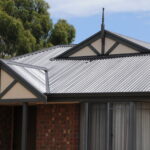
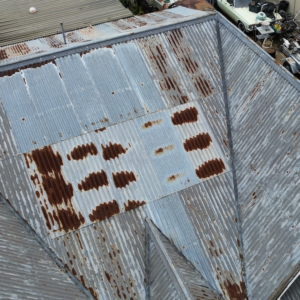
If you have a metal roof, rust is one of the biggest red flags. Small surface rust may look harmless, but once it eats through the protective coating, it can quickly spread and create holes. In Adelaide’s climate, especially in coastal or high-exposure areas, corrosion can accelerate faster than many homeowners realise.
If you notice severe discolouration or peeling or possibly visible rust areas on the roofing surface it may be time for a professional inspection.
Water Stains on Ceilings or Walls
Brown or yellow ceiling stains internally are often the first sign your roof needs to be checked and possibly the start of remedial repairs. Even if the stain appears small, water may already be travelling through insulation or roof framing before it becomes visible inside. By the time you see it, the leak may have been active for months. Ignoring this can lead to mould growth, damaged insulation, water damaged timber supports. A leak repair might solve particular issues, but if your roof is older, replacement may be the smarter long-term option.
Cracked or Lifting Roof Tiles or Roof Sheeting
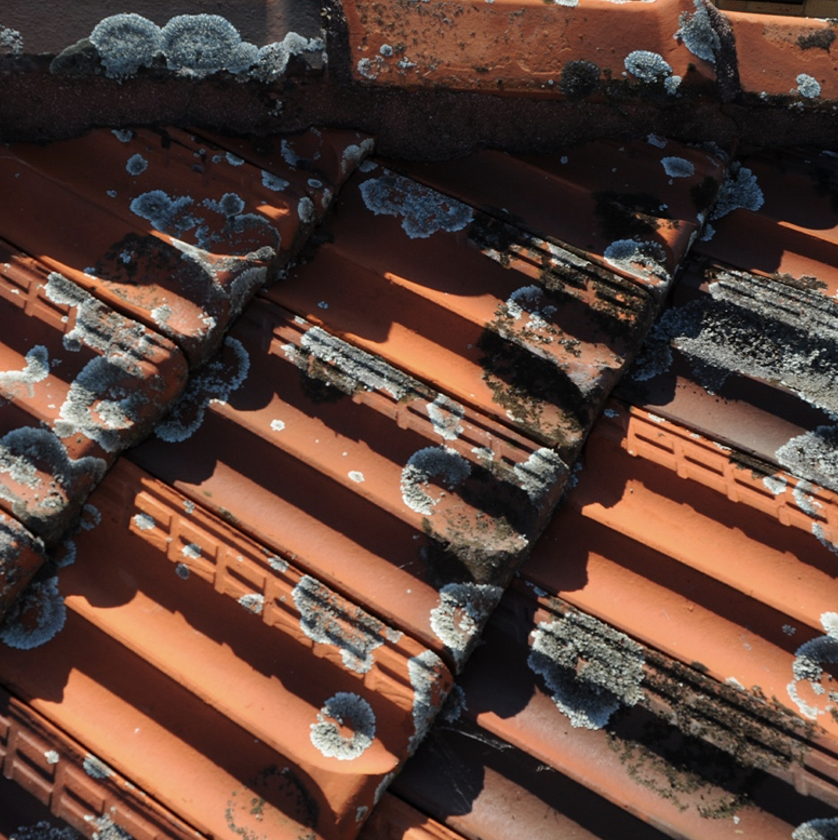
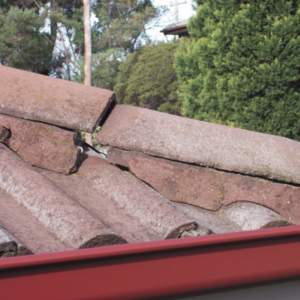
For tiled roofs, cracked broken or tiles that are not fitted in correctly allow water to enter beneath the surface and into the roofing cavity. For metal roofs, lifting sheets or loose fasteners create major concerns where wind-driven rain can enter the roofing cavity. After strong winds or storms, it’s worth checking from the ground for unevenness on the roofing surface where areas appear raised or sunken which may be possibly broken or displaced tiles.
Sagging Roof Lines
Your roofline should appear straight and structurally sound. If you notice sagging or dipping sections, this could indicate water damage to structural supports, rotting battens, or long-term moisture exposure. This is not something to ignore — structural issues can worsen quickly and become far more expensive to fix if unattended.
Your Roof Is 20+ Years Old
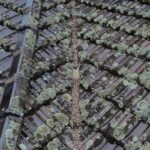
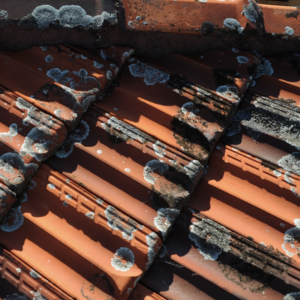
Even if everything looks fine from the outside, age matters. In South Australia, many metal roofs last between 20–30 years depending on the quality of the installation and also the ongoing upkeep and maintenance throughout that period of time. Tiled roofs also need upkeep due to the removal of debris and the checking of broken or chipped tiles and also the possible movement in the ridgeline that can disturb the pointing and cause possible leaks through the cracking that can and may appear.
If your roof is approaching or you are currently in this particular age range, it’s wise to have it professionally assessed — especially before the Winter rains arrive.
Repair or Replace?
Most repairs and ongoing maintenance will protect you and doesn’t mean that you need to look into a full roof replacement. However, if your roof has multiple problem areas that havent been monitored over a longer period of time which may include widespread rust, recurring leaks, of significant age, then a replacement or full roof restoration is often more cost-effective than ongoing patch repairs. Temporary fixes can add up quickly — and still leave you vulnerable to future damage.
The Bottom Line
Your roof protects everything underneath it; your home, your investment, and your family. Catching the warning signs early can prevent major structural damage and give you peace of mind heading into Winter rains. If you’re unsure about your roof’s condition, a professional inspection is the safest next step. An honest assessment now could save you thousands later.